
Quick Reference Guide to California Cannabis Regulations, Rules, Laws & Licensing
In California, cannabis has undergone a thorough legalization process focused on both medical and recreational cannabis. To begin, California placed a distinct focus on the Medical Cannabis Regulation and Safety Act (MCRSA), which was established through a series of bills between 2015 and 2016. These bills were passed in the California State Legislature, marking a significant point in California history.
Now, California is a key player in the cannabis industry and has a framework for licensing regulation and the enforcement of commercial cannabis activity. Throughout this guide, you will find useful information to pursue business licensing and understand the laws surrounding cannabis in California.
California established three cannabis licensing authorities: the Bureau of Cannabis Control, CalCannabis Cultivation Licensing, and the Manufactured Cannabis Safety Branch.
California Marijuana Businesses
In November of 2016, California voters made a groundbreaking statement with the passing of Proposition 64. Under this new proposition, adults of age 21 or older were given the right to legally grow, possess, and use cannabis for non-medicinal purposes. While Proposition 64 did come with some great liberties, it also came with certain restrictions to regulate the industry for everyone. Further benefits were offered with AUMA, which made it legal to sell and distribute cannabis through a regulated business in 2018.
In 2017, after the official legalization, California State Legislature passed a budget trailer bill in the form of Senate Bill 94. With this new bill, MCRSA and AUMA became integrated to create the Medicinal and Adult-Use Cannabis Regulation and Safety Act (MAUCRSA). Under this new act, a single regulatory system was introduced to govern the medical and recreational cannabis industry in California.
By 2018, the three approved cannabis licensing authorities began to use licenses for medicinal and recreational cannabis activities. This approved the cultivation, manufacturing, retail, distribution, and testing of cannabis. It also paved the way for micro-businesses, as well as temporary events in this space.
Licensed commercial cannabis businesses are now operating under new state cannabis regulations. These regulations have been approved by the Office of Administrative Law (OAL) and went into effect in 2019. As we look to the future, we can expect further regulation changes to help the cannabis industry to thrive.
California Cannabis Laws, Rules, and Regulations
As of January 2018, businesses given the go-ahead to begin work in the cannabis industry were able to do so through licenses issued by the Bureau of Cannabis Control, CDFA’s CalCannabis Cultivation Licensing, and CDPH’s Manufactured Cannabis Safety Branch.
Following this change, a growing list of businesses were able to join the newly legal cannabis market, which has continued to grow to this day. Now, more than 10,000 cannabis operators hold state licenses from a number of cities. These changes have created what is currently the largest cannabis market in the country.
To operate in this capacity, businesses need to have a state license before they can engage in any commercial brand activity. To receive their license, applicants must provide proof of approval, which can be obtained in their local jurisdiction. The approval must match the jurisdiction that the company is in. Since some local jurisdictions prohibit cannabis and associated activities, some licenses cannot be approved.
At the core of cannabis regulation for both medicinal and recreational use in California is the Medicinal and Adult-User Cannabis Regulation and Safety Act (MAUCRSA). This provides the steps and framework for regulation.
As of January 2019, the Office of Administrative Law (OAL) has officially approved key regulations for the industry and associated supply chain. These regulations make it so licensees are required to follow certain rules and regulations in line with their business type. Additionally, companies must also follow other required state laws as well.



Bureau of Cannabis Control – Proposed Emergency Cannabis Regulations (QR Code) – January 2020
Regulation Submission to OAL Notice (QR Code) – February 3, 2020
Finding of Emergency and Notice of Proposed Emergency Regulations
Text of Proposed Emergency Regulations
Cannabis Regulations (Currently in Effect) – January 2019
Bureau of Cannabis Control – Text of Regulations (Order of Adoption)
Final Statement of Reasons and Addendum
Forms and Documents Incorporated by Reference
Notice of Approval of Certificate of Compliance –OAL approved the rulemaking and filed with the Secretary of State on January 16, 2019. The effect date is January 16, 2019.
California Department of Public Health – Cannabis Regulations
California Department of Public Health – Text of Regulations
Approved CDPH Regulations – With Strikethrough and Underline (PDF)
Final Statement of Reasons (FSOR) (PDF)
FSOR 45-Day Public Comment Period: List of Commenters (PDF)
FSOR 45-Day Public Comment Period: Response to Comments (PDF)
FSOR 15-Day Public Comment Period: List of Commenters (PDF)
FSOR 15-Day Public Comment Period: Response to Comments (PDF)
California Cannabis License Applications
On the CA.gov California Cannabis Portal, you’ll find the following: “Applications for annual licenses will be accepted through an online licensing system – the Manufactured Cannabis Licensing System (MCLS). This application will require information on the business, owners and financial interest holders, and operating premises, as well as descriptions of procedures for waste disposal, inventory and quality control, transportation and security. Businesses in operation under the Compassionate Use Act prior to September 1, 2016, will receive priority application review.
Applicants must be in compliance with city or county ordinances. During the application review process, CDPH will contact the city or county to verify the local authorization. If the applicant does not provide a copy of their local authorization, the local office will have 60 days to respond. If the applicant includes a copy of their local authorization with their application, the local office will have 10 days to respond.”
California Cannabis Business License Applications
The state of California provides various forms and applications for those participating in the cannabis industry. These required documents can be found below.
The state’s three licensing authorities have issued over 10,000 commercial cannabis licenses to cannabis businesses throughout the state of California. The links below redirect to each licensing authority’s license system search. There you can search to see which businesses have been issued a state cannabis license by location, license type, and more.
To find valid cultivation and manufacturing licenses, please visit the CalCannabis Cultivation Licensing and the Manufactured Cannabis Safety Branch’s search systems. For all other license types, (retail, distribution, microbusiness, testing laboratory, and temporary cannabis events), please use the Bureau of Cannabis Control’s license search.
Bureau of Cannabis Control – License Search System
CalCannabis Cultivation Licensing – License Search System
Manufactured Cannabis Safety Branch – License Search System
- Instructions for Completing the Annual Cannabis Microbusiness License Application
- Annual Cannabis Microbusiness License Application
- Cannabis Microbusiness License Application_Attachment A – Cultivation
- Cannabis Microbusiness License Application_Attachment B – Manufacturer
- Instructions for Completing the Owner Submittal
- Owner Submittal
- Financial Information Form
- Premises Diagram
- Microbusiness Cultivation Plan
- Transportation Procedures Form
- Inventory Procedures Form
- Non-Laboratory Quality Control Procedures Form
- Security Procedures Form
- Delivery Procedures Form
- Licensee Bond Form
- CEQA Project-Specific Information Form
- CEQA Exemption Petition Form
- Bureau Notification and Request
https://cannabis.ca.gov/licensing
https://cannabis.ca.gov/apply-for-a-license
License Renewal Applications
From the CA.gov Bureau of Cannabis Control, “To renew a license, a licensee must submit an amendment for renewal. An amendment for renewal cannot be submitted to the Bureau earlier than 60 calendar days prior to the expiration of the license. The Bureau will send an automatic notification to a licensee prior to the expiration of their license with renewal instructions.
The Bureau strongly encourages licensees to submit their renewal amendments sooner rather than later. Please note, license renewal fees are not due until after our licensing staff have reviewed and approved the renewal.
To submit an amendment for renewal, please follow the steps below:
- To submit an amendment for renewal, please follow the steps below:
- Login with the account used to submit the original license application.
- Go to “My Records.”
- Find the license record that will be expiring and click on the “Renew License” link.
- Complete the renewal amendment as prompted.
Your renewal submission will be reviewed by Bureau staff and you will be asked to provide documentation showing your gross revenue thus far for the current license period. Please include with your renewal any documentation demonstrating the licensee’s gross revenue for the current licensed period (the 12 months starting the date the license was issued), such as a copy of the licensee’s quarterly or yearly tax filings with the California Department of Tax and Fee Administration (CDTFA), a local jurisdiction, or with the California Franchise Tax Board (FTB). If you do not have tax return documents, you may also provide other documentation such as Profit and Loss (P&L) statements.”
License Modifications Forms
To submit an amendment for renewal, please follow the steps below:
https://www.sos.ca.gov/business-programs/cannabizfile
If you’re interested in submitting a commercial cannabis licensing application to the Bureau, please fill out ALL the forms listed under the type of license you are applying for. You may also apply for a license through our Online Licensing System.
- Instructions for Completing the Annual Cannabis Retailer License Application
- Annual Cannabis Retailer License Application
- Instructions for Completing the Owner Submittal
- Owner Submittal
- Financial Information Form
- Premises Diagram
- Transportation Procedures Form
- Inventory Procedures Form
- Non-Laboratory Quality Control Procedures Form
- Security Procedures Form
- Delivery Procedures Form
- Licensee Bond Form
- CEQA Project-Specific Information Form
- CEQA Exemption Petition Form
- Bureau Notification and Request Form
- Instructions for Completing the Annual Cannabis Distributor License Application
- Annual Cannabis Distributor License Application
- Instructions for Completing the Owner Submittal
- Owner Submittal
- Financial Information Form
- Premises Diagram
- Transportation Procedures Form
- Inventory Procedures Form
- Non-Laboratory Quality Control Procedures Form
- Security Procedures Form
- Licensee Bond Form
- CEQA Project-Specific Information Form
- CEQA Exemption Petition Form
- Bureau Notification and Request Form
- Instructions for Completing the Annual Cannabis Microbusiness License
- Application
- Annual Cannabis Microbusiness License Application
- Cannabis Microbusiness License Application_Attachment A – Cultivation
- Cannabis Microbusiness License Application_Attachment B – Manufacturer
- Instructions for Completing the Owner Submittal
- Owner Submittal
- Financial Information Form
- Premises Diagram
- Microbusiness Cultivation Plan
- Transportation Procedures Form
- Inventory Procedures Form
- Non-Laboratory Quality Control Procedures Form
- Security Procedures Form
- Delivery Procedures Form
- Licensee Bond Form
- CEQA Project-Specific Information Form
- CEQA Exemption Petition Form
- Bureau Notification and Request Form
- Instructions for Completing the Annual Cannabis Testing Laboratory
- License Application
- Annual Cannabis Testing Laboratory License Application
- Instructions for Completing the Owner Submittal
- Owner Submittal
- Financial Information Form
- Premises Diagram
- Transportation Procedures Form
- Inventory Procedures Form
- Test Methods – Standard Operating Procedures Form
- Sampling – Standard Operating Procedures Form
- Sample Preparation – Standard Operating Procedures Form
- Security Procedures Form
- Data Package Cover Page and Checklist Form
- Licensee Bond Form
- CEQA Project-Specific Information Form
- CEQA Exemption Petition Form
- Bureau Notification and Request Form
- https://www.bcc.ca.gov/clear/forms.html https://cannabis.lacity.org/licensing/licensing-information/application-forms-and-documents
California Marijuana Business License Fees schedule
All of the most current fee information below was provided in this document:
Check from Page #17
Additional Information and Resources
https://bcc.ca.gov/about_us/your_questions_answered.html
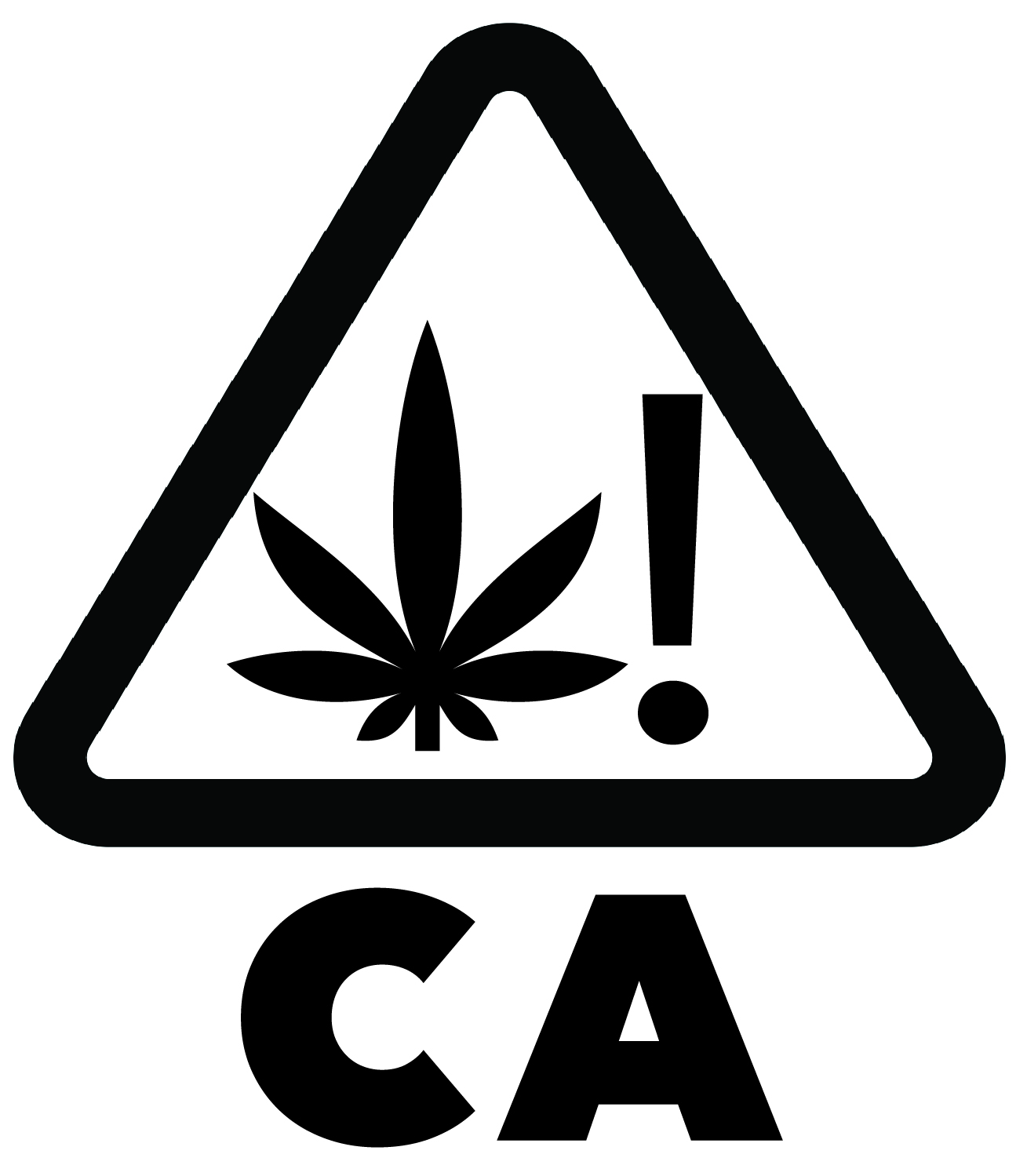
Medical and Retail Marijuana Universal Symbol Examples:
https://www.cdph.ca.gov/Programs/CEH/DFDCS/MCSB/PublishingImages/UniversalSymbol.jpg
Federal Regulations referenced in Rules M 103 and R 103:
https://bcc.ca.gov/law_regs/cannabis_order_of_adoption.pdf
California MED Cannabis Industry Compliance Tools
Contact Information
https://www.bcc.ca.gov/about_us/contact.html
MED Resources and Statistics
California Cannabis Track-and-Trace System
Environmental Reviews & Studies
OCal (Comparable-to-Organic Cannabis) Program
Additional Resources
Bureau of Cannabis Control Resources
Your Questions Answered – A database of 100+ commonly asked cannabis questions answered by the Bureau
Guidance on Commercial Cannabis Activity
NEW Branded Merchandise Fact Sheet
NEW Notice Regarding Advertising of Commercial Cannabis
NEW Notice Regarding Advertising of Commercial Cannabis by Non-Licensees
Cannabis Distributor Fact Sheet
Cannabis Distributor Transport Only Fact Sheet
Cannabis Retailer (Storefront) Fact Sheet
Cannabis Retailer (Non-Storefront) Fact Sheet
Collectives & Cooperatives Fact Sheet
Required Cannabis Testing Chart– phase-in of required laboratory testing
Shipping Manifest Fact Sheet– for documenting transfers of cannabis and cannabis products
Licensed Laboratory Reporting and Testing Requirements
CDFA CalCannabis Cultivation Licensing Resources
- NEW: Cannabis Cultivation Application, License, and Renewal Fees (English and Español)
- NEW: 2019 by the Numbers — Outreach, enforcement, and licensing highlights from January 1, 2019, through December 31, 2019A Reference Guide for Creating a Cultivation Plan
- CalCannabis: 2018 by the Numbers – Outreach, Enforcement, and Licensing Highlights (Leer en español)
- Medicinal and Adult-Use Cannabis Cultivation Licensing FAQs
- What We Do at CalCannabis Cultivation Licensing
- California State Regulatory Process FAQs
- Local Agency Implementation Workshop Video
- FAQ: Provisional Cannabis Cultivation Licenses (Leer en español)
- Guidance on the Use of a County of Origin Designation for Cannabis
- Sign Up for CalCannabis Email Alerts
- Fact Sheet: Highlights of the New California Cannabis Cultivation Regulations
- A Reference Guide for the Application Attachments (Leer en español)
- FAQ: Who Is Considered an Owner?
- Step-by-Step Video: How to Fill Out an Application for an Annual Cannabis Cultivation License
- Workshop Video: Local Agency Implementation
- Criminal Conviction Disclosure Form
- Final Program Environmental Impact Report (EIR)
CDPH Manufactured Cannabis Safety Branch Resources
- MCSB Fact Sheet – 2019 (PDF)
- Cannabis Manufacturing License Types (PDF)
- Packaging Checklist
- Labeling Checklist for Cannabis– for flower and flower-only pre-rolls
- Labeling Checklist for Cannabis Products– for manufactured cannabis products such as edibles, concentrates, and topicals
- Packaging and Labeling FAQs
- “Let’s Talk Cannabis” Education Campaign
- Manufactured Cannabis Safety Branch – Annual License Checklist
- CDPH: Industrial Hemp and Cannabidiol (CBD) in Food Products– FAQ Sheet
- California Universal Symbol for Cannabis
- Other Frequently Asked Questions
Secretary of State Resources
Department of Pesticide Regulation Resources
- Pesticides Legal to Use on Cannabis (PDF)
- Pesticides that Cannot be Used on Cannabis (PDF)
- Information for Hydroponics Stores (PDF)
- County Agricultural Commissioner Contact Information
Other State Agency Resources
Active Licenses – As of May 31, 2021
California Medical Marijuana Business License Numbers
Distributor
1,027
Distb. Transport Only
148
Retail Storefront
754
Retail Non Storefront
331
Microbusiness
302
Testing Laboratory
39
Event Organizer
38
Contact California MED
MED Office Locations:
Bureau of Cannabis Control – Main Office 2920 Kilgore Road
Rancho Cordova, CA 95670
Phone: (833) 768-5880
Email: bcc@dca.ca.gov
Hours of Operation: Monday-Friday; 8:00 a.m. to 5:00 p.m.
North Coast Regional Office
930 Sixth Street
Eureka, CA 95501
Email: bcc@dca.ca.gov
Hours of Operation: Monday-Friday; 8:00 a.m. to 5:00 p.m.
Mailing Address
PO Box 419106
Rancho Cordova, CA 95741-9106
Licensing Fee Appointments
An appointment with the Bureau of Cannabis Control is required to pay licensing fees. These appointments can be made by contacting 833-287-8171, or by emailing CannabisFeeAppt@dca.ca.gov.
News Media Inquiries Only
Alex Traverso
Assistant Chief of Communications
Bureau of Cannabis Control
Alex.Traverso@dca.ca.gov
MED Leadership Team
Tamara Colson – Acting Chief
Andre Jones – Assistant Chief of External and Intergovernmental Affairs
Alex Traverso – Assistant Chief of Communications
https://www.bcc.ca.gov/about_us
Most Recent MED Notices

Access Amazing Products
& Vendors Today!
Would you like to learn more?
Request a demo below to get started.